Man City Transfers 2026:Why It Matters More Than Ever
There’s something different about this phase in Manchester City F.C. history. It’s not just another transfer window filled with speculation and headline-grabbing signings. It feels like a turning point—a calculated shift that could define the next era of dominance under Pep Guardiola.
The conversation around Man City transfers 2026 is no longer just about “who’s coming in.” It’s about why they’re coming in, how they fit, and what it says about Guardiola’s evolving football philosophy.
After the 2025 season exposed subtle cracks—fatigue, aging key players, tactical predictability—City now faces a rare challenge: rebuilding without losing identity.
And that’s where this story becomes fascinating.
Man City Transfers 2026 – The Bigger Picture Behind the Squad Rebuild
The Man City squad rebuild is not reactionary—it’s strategic.
Why a rebuild is unavoidable:
- Key players entering their 30s
- Opponents adapting to Guardiola’s style
- Increased competition in the Premier League
- Tactical fatigue after years of dominance
This isn’t a collapse. It’s evolution.
For a deeper look into how elite clubs approach rebuild cycles, check this breakdown from
football tactics analysis
Man City Transfers 2026:7 Explosive Truths About Man City Transfers 2026
The Man City Squad Rebuild Is Ruthless, Not Emotional
Sentiment doesn’t win titles—structure does.
City’s rebuild shows:
- No guaranteed starting spots
- Aging stars being phased out
- Youth and versatility prioritized
This is classic Guardiola—adapt or be replaced.
Pep Guardiola Tactics Are Entering a New Era
The Pep Guardiola new tactics 2026 formation and playing style analysis suggests a shift:
Likely tactical changes:
- More vertical passing
- Faster transitions
- Hybrid formations (3-2-4-1 evolving into fluid shapes)
Guardiola isn’t abandoning possession football—he’s modernizing it.
Man City Transfer Targets Focus on Versatility
The modern City player must:
- Play multiple positions
- Adapt mid-game
- Contribute both offensively and defensively
Key traits in targets:
- Tactical intelligence
- Press resistance
- High stamina
Latest Man City Transfer News 2026 Shows a Youth Shift
The latest Man City transfer news 2026 confirmed signings and rumors indicate:
- Younger profiles being prioritized
- Long-term contracts over short-term fixes
- Investment in future stars rather than finished products
This is about sustained dominance, not quick wins.
The Squad Rebuild Is Designed for Tactical Flexibility
Guardiola’s biggest gamble?
Creating a team that can:
- Switch formations instantly
- Control possession OR counterattack
- Adapt to different leagues and competitions
Financial Strategy Is Smarter Than Ever
City’s approach:
- Selling at peak value
- Avoiding overpriced signings
- Investing in scalable talent
This ensures the rebuild is financially sustainable.
The Real Goal: Staying Ahead of the Competition
The Man City 2026 squad rebuild transfer targets and strategy isn’t just about improvement—it’s about staying untouchable.
Man City Transfers 2026:Man City Squad Rebuild vs Previous Eras (Comparison Table)
| Aspect | Pre-2023 City | 2026 Rebuild Strategy |
|---|---|---|
| Squad Age | Peak/Experienced | Younger, dynamic |
| Tactical Style | Possession-heavy | Hybrid flexible |
| Transfers | Star players | System-fit players |
| Formation | Fixed structures | Fluid formations |
| Focus | Immediate success | Long-term dominance |
Man City Transfers 2026:How Man City Will Rebuild Squad After 2025 Season Tactical Changes Explained
The how Man City will rebuild squad after 2025 season tactical changes explained comes down to three pillars:
Tactical Evolution
Guardiola is moving toward:
- Faster attacking transitions
- Less predictable buildup
- Multi-positional players
Squad Depth Optimization
Instead of stars:
- More “system players”
- Stronger bench quality
- Rotation without drop in performance
Data-Driven Recruitment
Modern scouting now includes:
- AI performance analysis
- Injury prediction models
- Tactical compatibility metrics
Learn more about how clubs use analytics in transfers here:
football analytics explained
Man City Transfers 2026:Pep Guardiola New Tactics 2026 Formation and Playing Style Analysis
Let’s simplify this.
Old Approach:
- Slow build-up
- Heavy possession
- Positional play dominance
New Approach:
- Faster transitions
- Vertical attacking
- Tactical unpredictability
Key Formation Trends:
- 3-2-4-1 hybrid
- False fullbacks
- Inverted midfield roles
This is not a small tweak—it’s a philosophical shift.
Latest Man City Transfer News 2026 Confirmed Signings and Rumors
While rumors dominate headlines, patterns reveal truth:
Expected profiles:
- Young midfield controllers
- Dynamic wingers
- Ball-playing defenders
Notable trends:
- Fewer “big names”
- More system-specific signings
- Focus on adaptability
Man City Transfers 2026:Why Man City Transfers 2026 Will Define Football Trends Until 2027
City has always been a trendsetter.
What they do now influences:
- Premier League tactics
- Transfer market strategies
- Youth development focus
Expect:
- More clubs copying flexible formations
- Increased value on versatility
- Tactical innovation across Europe
The Hidden Risk in Guardiola’s Tactical Gamble
Let’s be honest—this isn’t risk-free.
Potential dangers:
- Overcomplicated tactics
- Young players lacking experience
- Transition period inconsistencies
Even Guardiola’s genius doesn’t guarantee instant success.
A Rebuild That Could Redefine Dominance
The story of Man City transfers 2026 is bigger than transfers.
It’s about:
- Reinvention
- Evolution
- Staying ahead in a game that never stops changing
The Man City squad rebuild isn’t a reaction to failure—it’s a preemptive strike against decline.
And if history tells us anything, when Guardiola evolves… football follows.
This isn’t just another rebuild.
It’s a tactical revolution in progress.
And whether it succeeds or struggles, one thing is certain:
Everyone will be watching.
Man City Transfers 2026 – Deep Dive Into Key Transfer Profiles & Roles
To truly understand the direction of this rebuild, you have to look beyond names and focus on player profiles. The recruitment strategy isn’t random—it’s highly specific.
Core Player Archetypes Being Targeted
Instead of chasing hype, City is prioritizing:
- Press-resistant midfielders who can escape tight spaces
- Ball-playing defenders comfortable stepping into midfield
- Explosive wide attackers who stretch defenses vertically
- Hybrid full-backs capable of inverting into midfield roles
This approach aligns perfectly with evolving Pep Guardiola tactics, where positional fluidity is no longer optional—it’s essential.
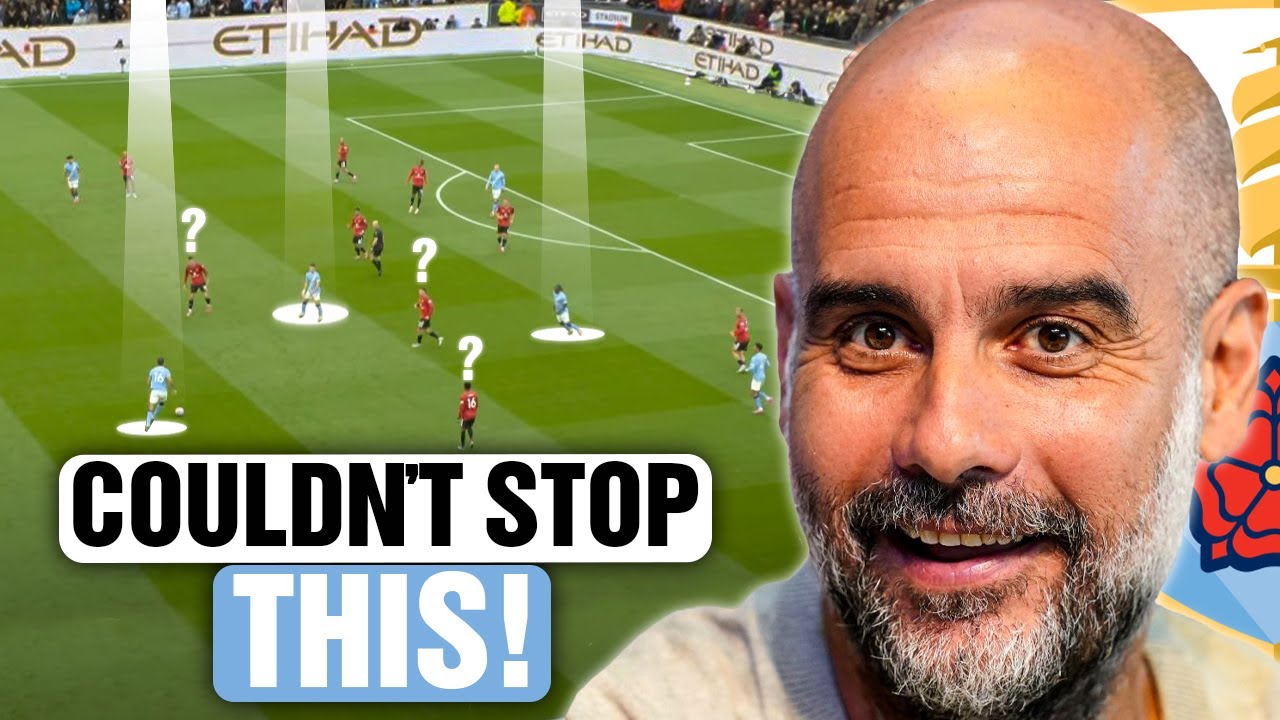
Man City Transfers 2026:Pep Guardiola Tactics – Why Flexibility Is the New Dominance
Football has changed. Teams now study City more than ever, and predictable patterns get punished quickly.
That’s why Guardiola’s latest tactical adjustments are centered on one idea:
Unpredictability
Tactical Innovations Expected
- Rotating midfield triangles instead of fixed roles
- Defensive lines that morph during transitions
- Wide players drifting centrally to overload midfield zones
What This Means in Simple Terms
City wants to:
- Control games when needed
- Break lines quickly when opportunities appear
- Adapt instantly to opponents
This is where the Pep Guardiola new tactics 2026 formation and playing style analysis becomes crucial—it’s less about formation, more about movement and intelligence.
Man City Squad Rebuild – Key Positions That Demand Urgent Reinforcement
Even the strongest squads have weak points. City’s rebuild highlights a few areas that need attention.
Midfield Transition Planning
The midfield has been the heartbeat of City’s success. But:
- Energy levels have dipped
- Rotation options are limited
- Tactical demands are increasing
What’s needed:
- Younger legs
- Players comfortable under pressure
- Tactical discipline
Defensive Evolution
Modern defenders are no longer just defenders.
City needs:
- Center-backs who can carry the ball forward
- Full-backs who act as midfielders
- Players with elite positioning and awareness
Attacking Versatility
Goals are still the currency of success.
The new attacking approach demands:
- Players who can play across the front line
- Quick decision-making in the final third
- Ability to operate in tight spaces
Man City 2026 Squad Rebuild Transfer Targets and Strategy (Role-Based Table)
| Position | Current Challenge | Ideal Profile | Tactical Purpose |
|---|---|---|---|
| Midfield | Aging core | Press-resistant playmaker | Control + transition |
| Defense | Predictable buildup | Ball-playing CB | Build from back |
| Full-back | Limited flexibility | Inverted full-back | Midfield overload |
| Attack | Over-reliance on structure | Dynamic forward | Unpredictable scoring |
This table simplifies what can often feel complex—the rebuild is role-driven, not name-driven.
Man City Transfers 2026:Latest Man City Transfer News 2026 Confirmed Signings and Rumors – What Patterns Reveal
Instead of focusing on individual rumors, it’s smarter to identify trends.
Observed Patterns in Transfer Activity
- Focus on players aged 20–25
- Preference for technically gifted athletes
- Emphasis on tactical intelligence over raw talent
What This Suggests
City is building:
- A team for the next 5–7 years
- A squad that can evolve tactically
- A system that outlasts individual players
This long-term thinking defines the Man City transfer news cycle right now.
Check the link on transfer portal:
Man City Transfers 2026:How City Will Rebuild Squad After 2025 Season Tactical Changes Explained (Step-by-Step)
Let’s break this down into a clear process.
Step 1: Evaluate Tactical Weaknesses
City’s analysis likely identified:
- Slow transitions
- Predictable buildup patterns
- Fatigue in key areas
Step 2: Align Recruitment With Tactical Needs
Instead of signing “big names,” the focus shifts to:
- System compatibility
- Tactical discipline
- Long-term adaptability
Step 3: Integrate New Players Gradually
Guardiola rarely rushes players.
Expect:
- Slow integration
- Tactical education
- Rotational appearances before starting roles
Step 4: Evolve the System Around the Squad
This is key.
Guardiola doesn’t just fit players into a system—he adjusts the system to maximize players.
Man City Transfers 2026:The Psychological Side of the City Squad Rebuild
Rebuilds aren’t just tactical—they’re mental.
Challenges Players Face
- Increased competition for places
- Adapting to new roles
- Maintaining confidence during rotation
How City Handles It
- Strong dressing room culture
- Clear communication from coaching staff
- Defined tactical roles
This human element is often overlooked but critical.
Potential Pitfalls in Man City Transfers 2026 Strategy
Even the best plans can face setbacks.
Key Risks
- Over-reliance on young talent
- Tactical overcomplication
- Short-term inconsistency
Worst-Case Scenario
- Loss of rhythm
- Drop in league performance
- Pressure from rivals
But history suggests City usually finds solutions quickly.
Man City Transfers 2026:Why It Will Influence the Entire Football Ecosystem
City doesn’t just compete—they set trends.
Expected Ripple Effects
- Clubs prioritizing versatile players
- Tactical systems becoming more fluid
- Increased investment in youth development
Within a year, many teams may start copying elements of this rebuild.
What Success Looks Like for This Rebuild
Success isn’t just trophies—though they matter.
Key Indicators of Success
- Tactical adaptability in big games
- Consistent performance across competitions
- Seamless integration of new players
Long-Term Vision
- Sustained dominance
- Tactical leadership in world football
- A squad capable of evolving every season
A Calculated Gamble With Massive Upside
The narrative around Man City transfers 2026 is easy to misunderstand.
This isn’t panic buying.
This isn’t a rebuild forced by failure.
It’s a deliberate evolution.
The Man City squad rebuild represents a rare moment where a dominant team chooses to reinvent itself before decline begins. That alone sets them apart.
At the center of it all is Guardiola—a manager who refuses to stand still.
His ideas continue to push boundaries, and this latest phase could be his most ambitious yet.
Football moves fast. Dominance fades quickly for those who hesitate.
But City isn’t hesitating.
They’re rebuilding, recalibrating, and redefining what modern football looks like.
And if this gamble pays off…
We may be witnessing the blueprint for the next generation of football dominance.
Man City Transfers 2026 – Rotation Strategy That Keeps the Squad Fresh
One of the most underrated aspects of Man City transfers 2026 is how it supports a smarter rotation model. This isn’t just about adding depth—it’s about ensuring the team performs consistently across a long and demanding season.
Why Rotation Is Central to the Plan
- Increased match intensity across competitions
- Reduced recovery time between fixtures
- Tactical demands requiring fresh legs
The Man City squad rebuild is clearly designed to handle these pressures without a drop in quality.
What This Looks Like in Practice
- Two high-quality options per position
- Seamless role swapping without disrupting structure
- Players comfortable starting or coming off the bench
This approach ensures that Man City transfer news isn’t just about arrivals—it’s about building a squad that can sustain excellence.
Man City Transfers 2026 – Building a Team for Multiple Tactical Systems
A key theme in Man City transfers 2026 is versatility. Guardiola is no longer building a team for one system—he’s building a team for many.
Tactical Flexibility Goals
- Switch between possession-heavy and counter-attacking styles
- Adjust formation mid-game without substitutions
- Respond instantly to opponent strategies
This aligns directly with the ongoing evolution of Pep Guardiola tactics, where adaptability is becoming the ultimate weapon.
Pep Guardiola New Tactics 2026 Formation and Playing Style Analysis in Action
When we look deeper into the Pep Guardiola new tactics 2026 formation and playing style analysis, one thing stands out:
There is no fixed shape anymore.
Instead:
- Players rotate positions fluidly
- Midfielders drop into defense
- Attackers drift into central zones
This fluidity is exactly why the Man City 2026 squad rebuild transfer targets and strategy focuses on intelligent, adaptable players.
Man City Transfers 2026 – The Role of Data in Modern Recruitment
The modern transfer market is no longer driven by instinct alone. Data plays a massive role in shaping decisions.
Key Metrics Considered
- Passing accuracy under pressure
- Defensive positioning efficiency
- Sprint recovery rates
- Tactical awareness indicators
The latest Man City transfer news 2026 confirmed signings and rumors reflects a clear shift toward data-backed recruitment.
How Data Supports the Man City Squad Rebuild
Data helps City:
- Identify undervalued talent
- Predict player development curves
- Reduce injury risks
This makes the Man City squad rebuild not just smart—but sustainable.
Man City Transfers 2026 – Transitioning From Dominance to Reinvention
Every great team reaches a moment where evolution becomes necessary.
For City, Man City transfers 2026 represents that moment.
Signs of Transition
- Tactical tweaks becoming more frequent
- Increased squad rotation
- Shift toward younger players

Man City Transfers 2026:How Man City Will Rebuild Squad After 2025 Season Tactical Changes Explained in Reality
The phrase how Man City will rebuild squad after 2025 season tactical changes explained becomes clearer when we see:
- Gradual integration of new players
- Tactical experimentation in real matches
- Reduced reliance on fixed systems
This is a controlled transition, not a chaotic overhaul.
Man City Transfers 2026 – The Intelligence Factor in Player Selection
Modern football demands more than physical ability.
What City Looks For
- Spatial awareness
- Quick decision-making
- Tactical discipline
These qualities define the ideal recruit in Man City transfers 2026.
Why Intelligence Matters More Than Ever
In Guardiola’s system:
- One wrong movement can break structure
- One smart decision can unlock defenses
This explains why Pep Guardiola tactics emphasize thinking as much as technique.
Man City Transfers 2026 – Tactical Roles vs Traditional Positions
Football is moving away from rigid positions.
Traditional vs Modern Approach
| Traditional Role | Modern Role in City System |
|---|---|
| Right-back | Inverted midfielder |
| Center-back | Ball-progressor |
| Winger | Inside playmaker |
| Striker | Space creator |
This evolution is central to the Man City 2026 squad rebuild transfer targets and strategy.
Man City Transfers 2026 – Speed of Play as a Tactical Weapon
One subtle but powerful change is speed.
Areas of Improvement
- Faster ball circulation
- Quicker transitions
- Immediate counter-pressing
The latest Man City transfer news 2026 confirmed signings and rumors suggests a focus on players who can maintain high tempo.
Why Speed Matters
Speed creates:
- Defensive confusion
- More scoring opportunities
- Less predictability
This is a natural evolution of Pep Guardiola new tactics 2026 formation and playing style analysis.

Man City Transfers 2026 – Defensive Stability in a Fluid System
With increased attacking freedom comes defensive responsibility.
Key Defensive Principles
- Compact shape during transitions
- Intelligent pressing triggers
- Quick recovery positioning
The Man City squad rebuild ensures defensive balance isn’t sacrificed.
Man City Transfers 2026 – Long-Term Sustainability and Vision
City isn’t just planning for one season.
Long-Term Objectives
- Maintain dominance for years
- Reduce dependency on individual stars
- Build a self-sustaining system
The Man City transfer news cycle reflects this long-term mindset.
Man City Transfers 2026 – Leadership Evolution Within the Squad
As new players arrive, leadership dynamics change.
Emerging Leaders
- Younger players stepping up
- Communication improving across the pitch
- Tactical understanding spreading through the squad
This is a crucial part of the Man City squad rebuild.
Managing Expectations and Pressure
With change comes pressure.
Key Challenges
- Fans expecting immediate success
- Media scrutiny
- Internal competition
The transfer news 2026 confirmed signings and rumors often amplifies expectations, but reality takes time.

Man City Transfers 2026 – What the Next 12 Months Could Look Like
Predicting the future is never easy, but patterns help.
Possible Outcomes
- Gradual improvement in performance
- Tactical system becoming more refined
- New players establishing themselves
The success of Man City transfers 2026 will be judged over time, not instantly.
Man City Transfers 2026 and the Future of Football
At this stage, it’s clear that Man City transfers 2026 is more than a transfer story—it’s a blueprint for the future.
The Man City squad rebuild reflects:
- Strategic thinking
- Tactical evolution
- Long-term planning
Meanwhile, Pep Guardiola tactics continue to push boundaries, forcing the entire football world to adapt.
If this project succeeds, it won’t just define a season.
It will define an era.
Because when a team like Manchester City evolves, football evolves with it.
FREQUENTLY ASKED QUESTIONS AND ANSWERS
1. What is the main idea behind the 2026 transfer strategy?
The plan focuses on long-term squad development, bringing in younger, adaptable players who fit a dynamic tactical system.
2. Why is the club rebuilding its squad now?
A mix of aging key players, tactical evolution, and rising competition has made change necessary.
3. How will the team remain competitive during the transition?
By blending experienced players with new signings and gradually implementing tactical changes.
4. What role does Pep Guardiola play in recruitment decisions?
He plays a central role, ensuring every signing fits into his evolving tactical philosophy.
5. What type of players are being targeted?
Versatile, intelligent players who can operate in multiple positions and adapt quickly during matches.
6. Are big-name signings still a priority?
Not necessarily. The focus has shifted toward system-fit players rather than high-profile stars.
7. How will tactics change moving forward?
The approach is expected to become more fluid, with quicker transitions and flexible formations.
8. What positions are most likely to be strengthened?
Midfield, defense, and attacking roles that require adaptability and high work rate.
9. How important is youth development in the rebuild?
Very important, as young players provide long-term value and tactical flexibility.
10. What is the biggest challenge during a squad rebuild?
Maintaining consistency while integrating new players and evolving the system.
11. How does data influence transfer decisions?
Advanced analytics help evaluate performance, reduce risk, and identify players who fit the tactical system.
12. What changes can fans expect in playing style?
Faster ball movement, more direct attacking phases, and less predictable positioning.
13. How long will the rebuild process take?
Typically between one and two seasons before the full impact is visible.
14. Will the team’s formation change frequently?
Yes, formations are expected to be flexible and adaptable during matches.
15. What makes this rebuild different from previous ones?
It focuses more on long-term sustainability and tactical evolution rather than immediate success.
16. How will squad rotation improve performance?
Rotation keeps players fresh, reduces injuries, and maintains intensity across competitions.
17. What risks are involved in this strategy?
Potential risks include inexperience, tactical complexity, and short-term inconsistency.
18. How does this rebuild affect competition in the league?
It could push other teams to adopt similar strategies and increase overall competition.
19. Will leadership within the squad change?
Yes, new leaders are expected to emerge as younger players take on bigger roles.
20. How will new signings adapt to the system?
Through gradual integration, training, and tactical coaching.
21. What impact will this strategy have on future seasons?
It could establish a foundation for sustained success over multiple years.
22. How important is tactical intelligence in modern football?
Extremely important, as players must make quick decisions and understand complex systems.
23. Can the team maintain dominance during this transition?
Yes, if the balance between experience and youth is managed effectively.
24. What should fans realistically expect in the short term?
Some inconsistency, but also glimpses of a stronger long-term system.
25. How does Manchester City F.C. plan to stay ahead of rivals?
By continuously evolving tactics, investing in adaptable players, and maintaining a long-term vision.